How Does Marketing Research Help Managers?
Marketing research empowers managers with vital insights to make informed decisions, identify opportunities, and mitigate risks for sustainable business growth.
Marketing research is the backbone of any good marketing manager. It helps us to gather market intelligence and makes us fully equipped to make informed decisions, identify opportunities, and reduce some types of risks. In this article, I’ll explain how marketing research helps managers.
1. Understanding the Market
Market size, market trends, competitors, and customer preference are some of the things that help marketers like me understand the market via market research. This helps us understand the market dynamics, which leads to better positing of the product or service we market and ensures we stay ahead of the competition.
Example:
A manager at Coca-Cola Company can use market research to see an increased market share in sports drinks. This will allow his/her company to market a new sports drink in the segment.
The trend in AI has led to marketer questioning their career. Check out if will marketing be replaced by AI.
2. Identifying Target Audience
Demographics, psychological characteristics, and behavior are some of the things that can help marketers identify the target audience. This type of segregation allows marketers to narrow their target audience and make their efforts more efficient.
Example:
An e-commerce store can segment its consumers based on demographic data like age, gender, and lifestyle choices like where people live, what they do for fun, and their tech usage patterns. This information enables their potential user for better engagement.
3. Product Development and Innovation
Consumer needs and preferences and be easily collected with proper market research, which is essential for product development and innovation. Using the data collected with the help of research, managers can differentiate their products, add relevant features, and meet market demands.
Example:
Google’s Pixel devices use the feedback collected via market research to add feature drops every few months, which makes the end user’s experience better and more helpful.
4. Pricing Strategy
Pricing is one of the core criteria in the decision-making process for purchasing a product or service. Marketing research provides insights into how much a consumer is willing to pay, how value is perceived, and their behavior on various prices. All this information helps in making the right pricing strategy that maximizes profit.
Example:
Maggi noodle’s price increase from Rs 5 to Rs 7, and Rs 12 to Rs 14, resulted in a notable decline in sales volumes for the December quarter of 2022. The smaller packs are sully common in rural and lower-income markets.
5. Enhancing Customer Satisfaction
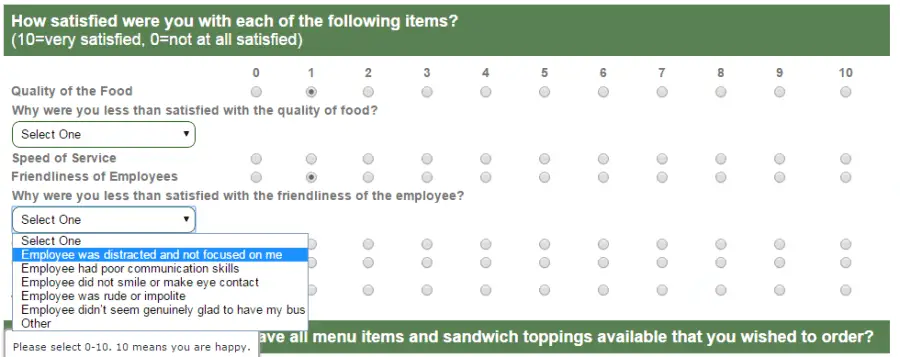
Customer satisfaction is always a priority for any business firm. Marketing research helps managers learn customer issues and allows them to work on them. The identification and satisfaction of their concerns will create loyalty and encourage them to stay with the businesses.
Example:
A restaurant chain can use customer surveys to identify issues in their food and service quality and implement changes to improve customer satisfaction and make them permanent customers.
6. Effective Advertising and Promotion
Taste and preferences can be easily identified via marketing research and can be tailored to execute effective advertising and promotions. Managers can do A/B testing and find out which campaigns resonate with their target audience and can maximize ROI.
Example:
Pepsi launched a $5 Million ad campaign starring Kendall Jenner. The ad was Accused of Trivializing Black Lives Matter. The situation could have been avoided with proper research and an understanding of customer behavior.
In the ad, Kendall Jenner was in a picture session to join demonstrators in the street for the “Live For Now Moments Anthem” commercial. When Jenner hands a police officer a Pepsi can at the end of the commercial, the officer pops the top, takes a sip, and the protesters roar inexplicably with approval.
7. Competitive Analysis
Identifying a competitor’s strengths, weaknesses, product positioning, and strategy can be a huge opportunity to gain market share and profits. This can be achieved with the help of good market research.
Example:
Burger wars between Burger King and McDonald’s are the best examples of competitive analysis.
In December 2018, Burger King launched an audacious “Whopper for 1 cent”. People had to download the Burger King app on their phones to get the deal, and the customer had to be within 600 feet of any of more than 14,000 McDonald’s restaurants, the app used geolocation technology to unlock the deal.
The Burger King app became the most downloaded app in the Apple store for several days in the US, having 1.5 Million downloads.
8. Risk Management
Market research reduces risk by providing data-driven insights and allowing managers to make decisions to mitigate those risks. With adequate data, managers can identify and assess the probability of each risk occurring, evaluate their impact, and develop a strategy to mitigate them.
Example:
Pepsi’s “Live For Now Moments Anthem” mentioned in the 6th section could have involved proper risk management and beta testing the ads in a closed group to identify potential risks of mixing fun and fizz with ongoing protest for basic human rights.
9. Strategic Planning
Marketing research lays out necessary data that helps in setting realistic goals, targets, and objectives for any potential growth opportunities and for creating a long-term plan. By considering the market condition, managers can align business objectives for sustainable growth.
Example:
Netflix uses user data and market trends to strategize its investments in content, resulting in big hits like Stranger Things and Queen’s Gambit.
Conclusion
Marketing research is crucial for managers, providing essential insights to make informed decisions, identify opportunities, and mitigate risks. By understanding market dynamics, targeting the right audience, and enhancing customer satisfaction, businesses can achieve sustainable growth and stay ahead of the competition.