7 Most Productive Ways to Increase Interactivity in Your Emails
Boost email engagement with interactive elements like social proof, surveys, and targeted recommendations for better click-through and conversions.

An intuitive e-mail incorporates functional components that welcome perusers to lock in with the substance by tapping, swiping, clicking, or essentially observing. Intuitively components can be anything from a GIF and outline to a test or commencement timer.
Over a long time, despite the expansion of promoting channels, e-mail showcasing proceeds to be one of the foremost compelling showcasing mediums for brands and marketers. Because it turns out, emails are the third-most persuasive data sources for B2B gatherings of people. No, ponder the average ROI of e-mail showcasing is £38 for each £1 went through. Talking of which, is your e-mail showcasing methodology working for you, or are you taking note of underwhelming CTRs? If you want to boost mail CTR, you likely ought to better understand what makes a idealise e-mail campaign. Yes. You wish to go past settling your subject line and sender score, versatile optimising and personalising (which isn’t indeed a choice nowadays) your campaign, practising mail list cleanliness, etc. You must make your emails more intelligently and shock your endorsers such that they need your other mail. How you’ll inquire? Let us figure that out together in this blog.
What is mail engagement? Email engagement could be a measure of how individuals are associated along with your emails. Open rate, press rate, and change rate are the foremost standard e-mail engagement metrics. You can use degree mail engagement, but how you degree it depends on a specific question. How do you characterise “success?” What client activities will be more profitable to you (and them)? What e-mail measurements (such as opens or clicks) require more improvement? What are the long-term impacts from each e-mail campaign (and not fair every single email)? Consider these questions when shaping your e-mail promoting methodology; at that point, attempt these seven tips for superior e-mail engagement.
1. Use social proof
What is one thing that continuously drives choices (great and bad)?
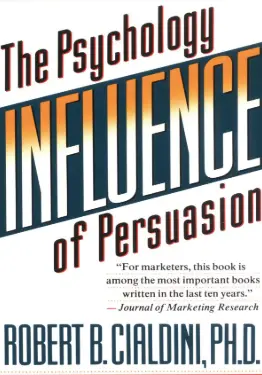
They know that other people have done it first. Studies show that about 70 per cent of online customers see an item audit earlier to make a purchase. Even more telling — item audits are 12-times more trusted than item portrayals and deals copy. That’s social proof. Social verification is one of Robert Cialdini’s seven mental standards of influence. In his book Impact: The Brain research of Influence, Cialdini characterises social verification as individuals doing what they see other individuals doing.
It’s a definition that’s based upon the thought of security in numbers.
“We can see that social proof is most powerful for those who feel unfamiliar or unsure in a specific situation and who, consequently, must look outside of themselves for evidence of how best to behave there.” — Robert Cialdini, Influence.
Seeing what other individuals have done or what they think almost something does apart. Sparks intrigue Gives answers to known problems Presents current, valuable information. Have you ever seen an e-mail that name-drops a celebrated client? Or incorporates a tribute? Both of those are illustrations of ways to include social proof. One compelling strategy? The language-learning app Duolingo sent this mail to their customers.
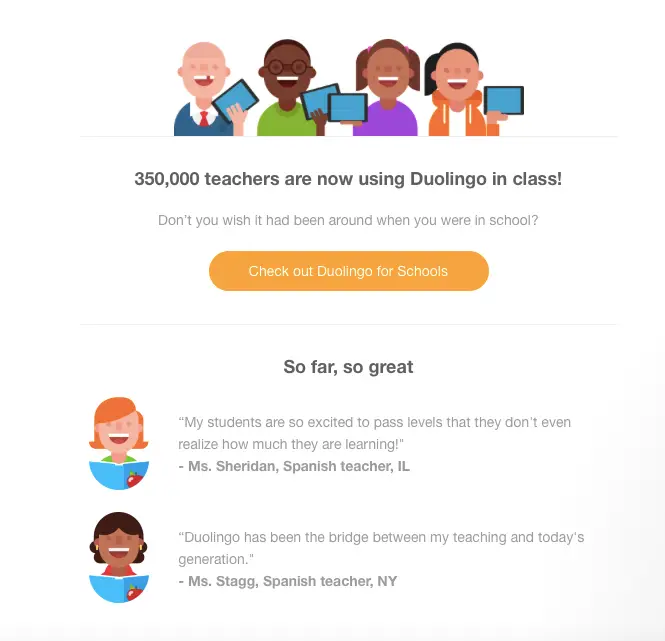
Three hundred fifty thousand instructors utilise and cherish their benefit. Will you be following presently merely know?
Three hundred fifty thousand instructors utilise their benefit. That colossal number has a tremendous effect on the individuals you’re attempting to reach. Plus, they kick the social verification up some additional scores by counting tributes, bringing those 350,000 faceless clients to life. People feel way better doing something if other customers have confirmation of that.
A) Other individuals have done it
B) Other individuals have been fruitfully doing it.
2. Join surveys, overviews, and reviews.
Surveys are great. Instead of sending an interface to a study through the mail, you’ll be able to construct an intelligent e-mail survey. Here’s an illustration from an Expedia email.
Let’s focus on the intuitive parts of this email. The client has, as of now, begun replying to questions. At best, they, as of now, checked a smiley confront for their check-in process. Now they’ve chosen that they were gloomy with their room. Once the client clicks the pitiful confront, an unused incite comes up. It says, “What didn’t you like?” The client has alternatives to select. This study is finishing very a bit, and it’s so simple. You’re picking up good data around your customer. You’re getting criticism around your items and services. You’re expanding the click-through rate on your emails. Ultimately, this improves the overall client experience.
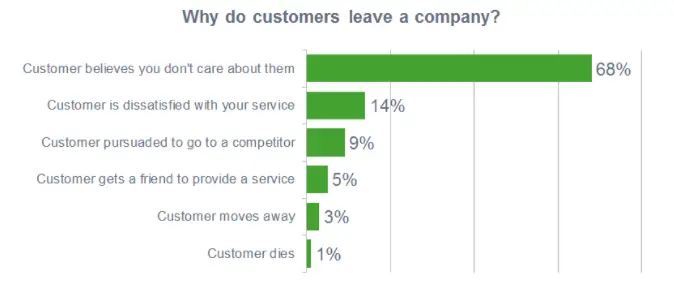
The #1 reason a client leaves a company is since they feel the company doesn’t care about them. If you need them to remain, you must be polite about what they need to know and appropriately personalise their involvement. The number one reason a client leaves a company is that they don’t feel like the company cares. Your study will show them that their opinions are being heard. The ease of getting to the survey is even more critical. All they ought to do is open up their email. No need to follow any links or visit third-party websites. The client can complete a survey straightforwardly from their phone inside the mail message — this increases interactivity and clicks.
3. Celebrate their achievements
Who doesn’t love to be celebrated? Between birthdays, anniversaries, and milestones, individuals love to be appreciated. More importantly, they love being recognised. Puma does this within the celebratory mail they send their users.
As a frequent Puma user myself, I would LOVE to get this email. (Source: customer.io)
The following can be a click-worthy e-mail, but it also presents a chance for engagement outside of the mail. This kind of introduction increases the opportunity for more sign-ups (and thus, more engagement). Not only is this great for the brand and fun for the client, but it’s also an excellent chance to score some magnificent content — straight from your customers.
4. Send targeted recommendations
You can send targeted emails to individuals, and this is how: Find out their interests based on clicks, form areas they visit, location tracking, or other contact actions. Target individuals based on their interests and behaviours. Send emails with substance that offers to those particular interests. Here’s an illustration from Amazon from my email inbox:
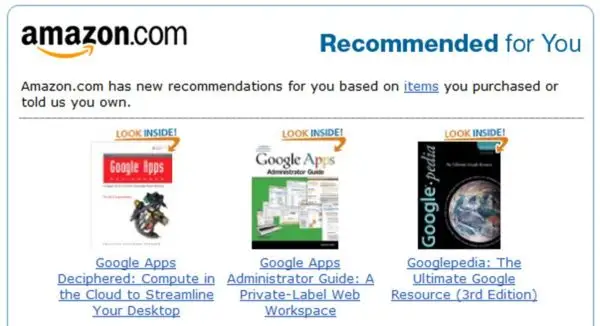
As you can tell, this customer’s primary interest was treating acne.
Why did this work? Because they weren’t attempting to force a sale in each e-mail. They used the collected information to segment their audience — and send emails that solved each person’s particular problem. Amazon does targeted content well. But who energises a bit more on relevance? Netflix. Few individuals have ever known me as well as Netflix. And they have the emails to demonstrate it.
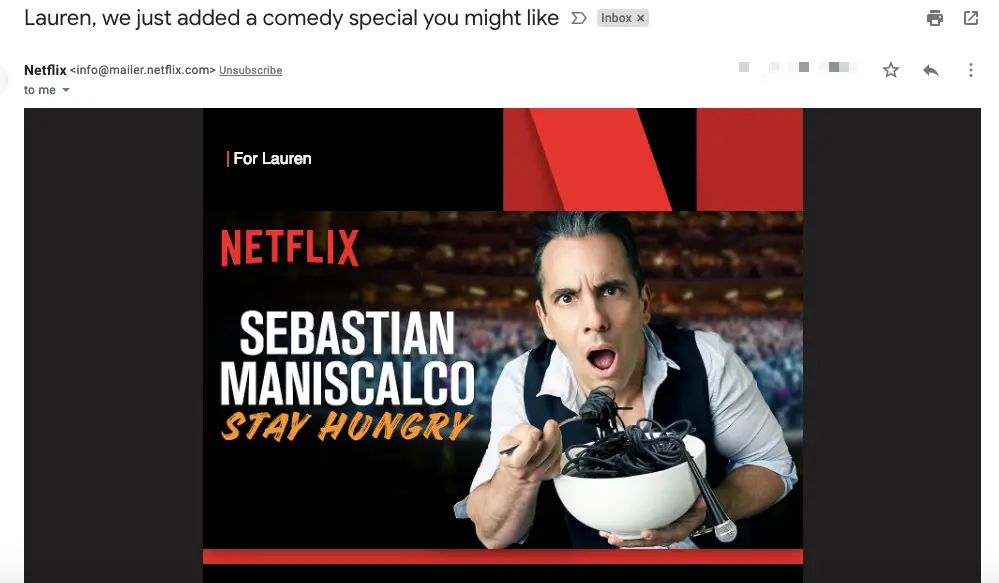
Comedy? Yes. Hungry? Always. Saturday morning binge-in-bed plans have been made.
I observe a million comedy specials on Netflix. John Mulaney, Jim Gaffigan, Ali Wong, they are all astounding. Netflix knows how much I love them, so they sent me targeted content to extend my engagement with them.
(Spoiler alert — it worked).
5. Use accordions
Accordions are another sort of menu that encourages and increases interactivity. It’s an extraordinary way to pack parts of data into a compact space without excessive scrolling. If you don’t know how to include an accordion to your messages, it’s simple. The program you’re using to contact clients may not have this feature as an option. That’s OK. You can work with a third party to create and embed your accordion design into your emails. Find a company like Email Monks.
They specialise in e-mail interactivity and can help design your accordion menu. They make these menus with CSS3 code. CCS stands for cascading style sheets. You don’t need to be a master at coding. They’ll do all the work for you. You can just follow the instructions to include the accordions to your existing mail software.
It minimises the need for scrolling and makes it much simpler for the reader to access your content. As always, these menus must be optimised for mobile phones.
6. Add movement to your emails
Incorporate GIFs into your messages. GIF stands for Graphics Interchange Format. It’s not a photo or a video. GIFs fall somewhere between the two. Here’s how Google incorporated GIFs into one of their most recent mail marketing campaigns:
- The GIF captures the subscriber’s attention. It’s straightforward, but it stands out. It’s designed to increase interactivity and enhance client engagement. Email Organized found that animated GIF emails see an increase in click-through rates of up to 26%. A Dell case study showed expanded conversion rates through e-mail by 103%. The study also showed: 6% increase in open rate, 42% increase in click rate, 109% increase in revenue.
Not bad results for a simple attention-grabbing animation.
7. Include adding to calendar options
Want to improve click-through rates on your emails? Give your supporters something to click. If you’re emailing clients to promote an event, you should include an option for the reader to add it to their calendar.
Here’s how it looks.
It’s another simple but effective way to increase interactivity.
This will also remind your client about the event. If they don’t include it in their calendar, they may forget about it. This simple button will help increase engagement and might also result in better turnout for your event.
Conclusion
Incorporating interactive elements into your emails can significantly enhance engagement and improve the overall experience for your subscribers. By implementing strategies such as social proof, surveys, and targeted recommendations, you can create a more dynamic and personalized interaction that resonates with your audience. These methods not only increase click-through rates but also foster a deeper connection between your brand and your customers, ultimately driving higher conversion rates and customer loyalty.
As you refine your email marketing strategy, remember that the key to success lies in continually experimenting and optimizing your approach. Stay attuned to your audience’s preferences and behaviors, and be willing to adapt your tactics to meet their evolving needs. By doing so, you’ll ensure that your emails remain a powerful tool in your marketing arsenal, capable of delivering meaningful and measurable results.